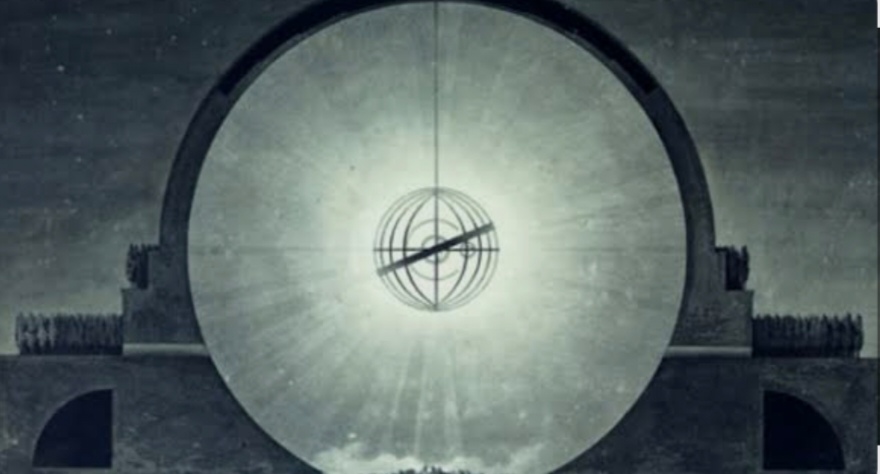
Artificial intelligence is exponentially expanding the possibilities for design in both product design and architecture. Every day, new creations are conceived that are unlikely ever to be physically realised, yet nonetheless possess creative, cultural and even economic value.
In reality, this phenomenon is not entirely new. The history of architecture is rich in projects conceived primarily to be imagined rather than built. The visionary works of Étienne-Louis Boullée, with their monumental and symbolic forms, were expressions of Enlightenment ideals rather than proposals intended for construction. Similarly, a number of Zaha Hadid’s most celebrated projects significantly influenced architectural thinking despite never being realised.
What has changed today is that this is no longer an exceptional circumstance. Contemporary technology, coupled with developments in the law, appears finally to have acknowledged and legitimised this long-standing reality.
As is often the case, the law follows social and technological developments.
At European Union level, the new design legislation now extends protection to designs existing exclusively in digital form. Whereas, for centuries, the value of a creation was closely associated with its physical embodiment, a new category of works is emerging—works intended to exist solely within the intangible sphere. The change is rather cultural than legal and its effects permeate every aspect of our life.
Lavinia Savini
(Drafted with the assistance of artificial intelligence)

